Day 16: Valerie Day
It was a fall day, bright with promise and new beginnings. I had just left our son Malcolm in his kindergarten class. The clamor of children from moments before was replaced by stillness, and the muffled sounds of teachers behind closed doors. I found myself in a hallway I'd never been in before.
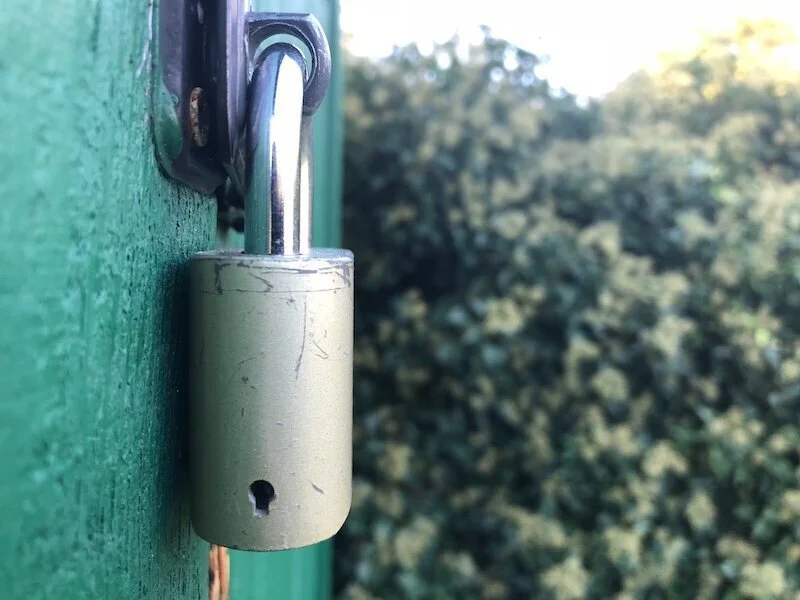
One room was silent. Light filtered through a window on the door and a lock hung on the handle. Curious, I peered in. The room was full of instruments — marimbas, drums, percussion — all covered in a layer of dust.
My heart sank. This was the music room. Quiet. Shuttered. A place of promise and possibility, empty of life.
Later I learned that the door had been locked two years before due to budget cuts. Non-essentials, like music and art, were the first to go. The arts as non-essential? Art had never been non-essential to me. They had kept me in school and saved my life.
I had immersed myself in theater, dance, visual art, and music classes during my school years. As a teenager, when my family life fell apart, I found refuge in artistic expression and created an alternative family with other artists. I even married one.
I wanted our son to have an arts education too. Musical instruments and art supplies filled our home, but I wanted him to have an opportunity to create in school. I also knew he was one of the lucky ones. Many of his classmates came from families who were struggling to meet their children's basic needs. After-school arts and music classes were an impossibility.
As I stood there in that empty hallway, I thought, "What a waste. There is so much possibility in this room. How can I unlock the door?"
I had no idea where to begin, but I knew others felt as I did — artists, parents, and teachers who might want to help. I also had friends who knew about the nonprofit world. I asked them to join me and Artists For The Arts, a non-profit dedicated to raising money for public school art programs was born.
Turns out, that was the easy part. The asking had only just begun.
Asking for an impossible thing for others is easier than asking for yourself — especially when you're asking for help for children. But for me, it was still hard. Singing for 10,000 people is easier for me than giving a talk in front of 10. Who knew that my performance anxiety would show up when asking for money to fund arts education for kids!
But, just like in music, the more you practice, the easier it gets. For seven years, I practiced asking almost every day. Here’s a list of the things I learned that still help me ask for impossible things today:
Practice.
Start small. Practice pitching your family and friends first. Build up to the big one.
People want to help.
The world is full of people who want to help, who want you to succeed. As Mister Rogers said, "Find the helpers."
Ask for advice.
People like to give advice. When making a request, consider asking for advice first. It will help you get your foot in the door. Once they hear your story, they might want to help.
Ask what you can do for them.
Find out if there is something you can do for them so that the ask will benefit both of you.
Tell a great story.
Make sure your ask is embedded in a compelling story. Psychology professor Paul Bloom tells us, "When shown an object, given food, or shown a face, people's assessment of it – how much they like it, how valuable it is – is deeply affected by what you tell them about it." Context is everything.
Go for the head AND the heart.
Decision making happens on an emotional level. Having data to back up your ask matters, but the decision itself is ultimately made by a combination of the rational and emotional parts of our brain. When making an ask of someone who seems to operate from a purely rational perspective, logic and analysis might not be the only way to get a yes. A compelling example of this is the testimony given by Mister Rogers in front of the Senate Intelligence Committee, challenging the cuts to public broadcasting in 1969.
Some people have the resources to give, but not the capacity.
Like the Grinch, there are those whose heart is two sizes too small. They might have plenty of money or resources, but unless you're Cindy-Lou Who, you probably won't unlock the door to their giving heart. When they say no, send them a dose of compassion (after all, they're the ones who have to live within that constricted world view), and then move on.
Tuesdays and Wednesdays are best.
Mondays are the worst. People are just starting their week, so their list of to-dos and inboxes are full. By Tuesday or Wednesday, they're in full swing and have gotten the most urgent things off their plate.
No response isn't necessarily a no.
Most people live in a state of overwhelm. If you make your ask and don't hear back, wait a week, and try again.
Be persistent, but don't be a pest.
Follow up, but don't be pushy. View your second or even third email or phone call as a helpful reminder to the person to get back to you. If they don't, it's time to move on — without resentment. Compassionately let them go.
Follow up.
Make it easy for people to do what they say they're going to do. Send a follow-up email outlining what was discussed in a phone call, face-to-face meeting, or previous email thread. Summarize what you talked about, and ask if you got it right or if there's anything to add. Now they have a list of what they’ve agreed to do.
Plug back into the why.
Asking isn't easy. It takes energy, patience, and belief in what you're asking for. When that belief starts to flag, take a break and plug back into why you're doing this in the first place. As Simon Sinek puts it in his brilliant TedTalk, "People don't buy what you do, they buy why you do it." Make sure you’re clear on your why is so it can fuel you when the going gets rough.
I wish I could say that we were hugely successful with Artists for the Arts — that we unlocked the door in my son's school and created sustainable funding for the arts in our city. It was harder than we thought to run a non-profit and raise money for it. But we did make a difference. Our grants funded mural projects, a student art gallery, art supplies for teachers, dance and movement classes, theater programs, instrument purchases, field trips to cultural events, and more.
“So what, then, is the point of pursuing our dreams? What if it’s the thorough engagement of our heart?”
Life never goes how we think it will. The gap between the impossible thing we’re reaching for and the reality we find ourselves in is always wider than we'd like.
But should we still reach for what we imagine? Or ask for our heart’s desire?
I believe the answer is, unequivocally, yes. When we ask for impossible things, we learn and grow in ways we could never imagine. We build capacity for resilience and perseverance, and learn to navigate success and failure.
Asking makes us vulnerable, but it also opens us up to possibility — and is the key that unlocks all doors.
Epilogue:
After 10 years, Artists For The Arts merged with another Oregon non-profit called Keeping The Beat and became Keeping The Arts. KTA continues to raise money through The Portland Creative Conference (Cre8con) and give grants to arts education around the state. Combined, the two organizations have provided over 155,000 dollars to arts education programs in Oregon since 2003.
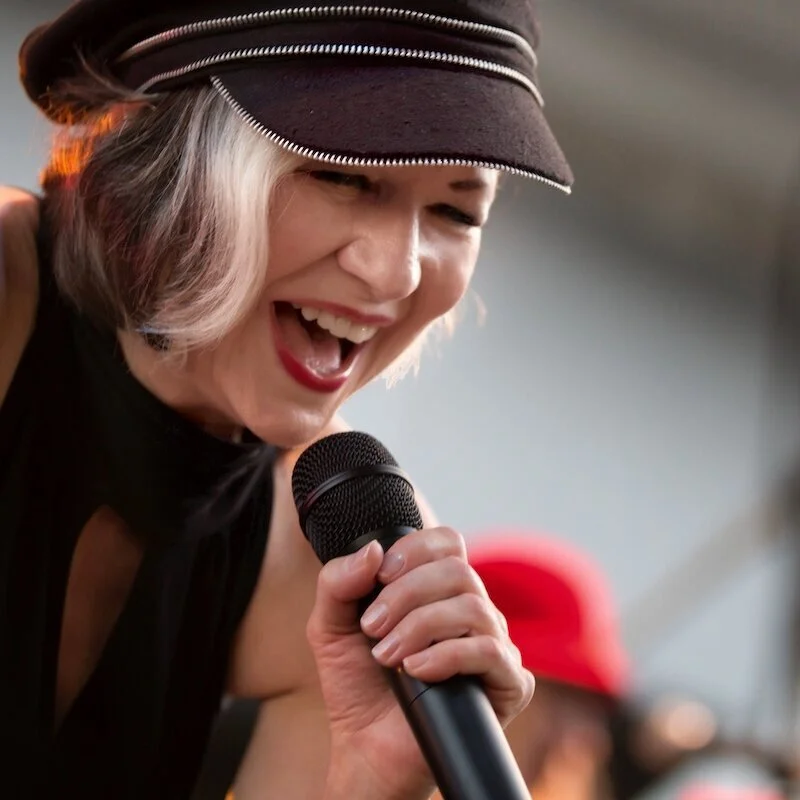
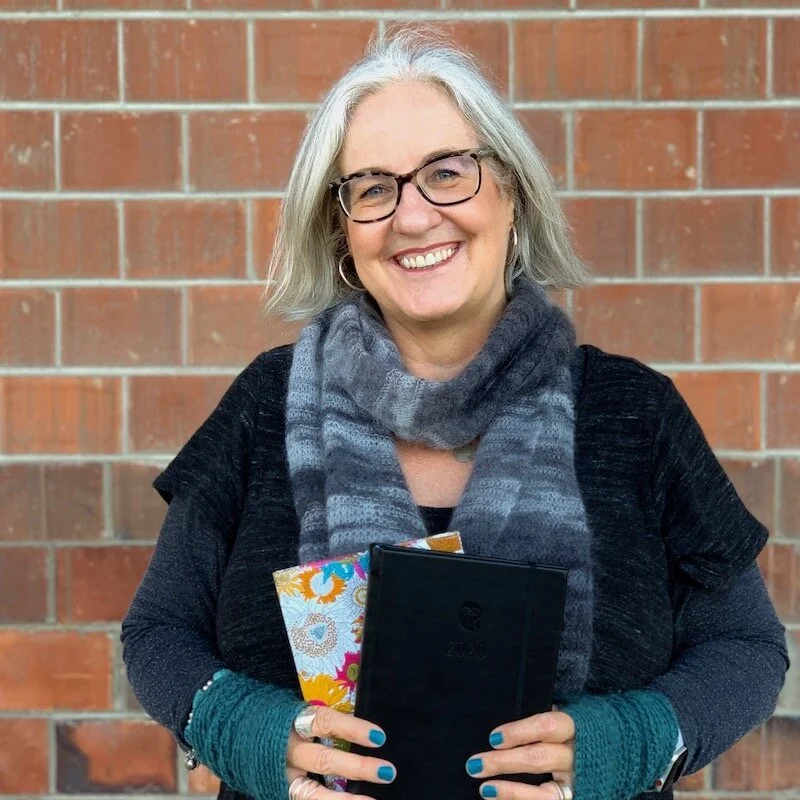
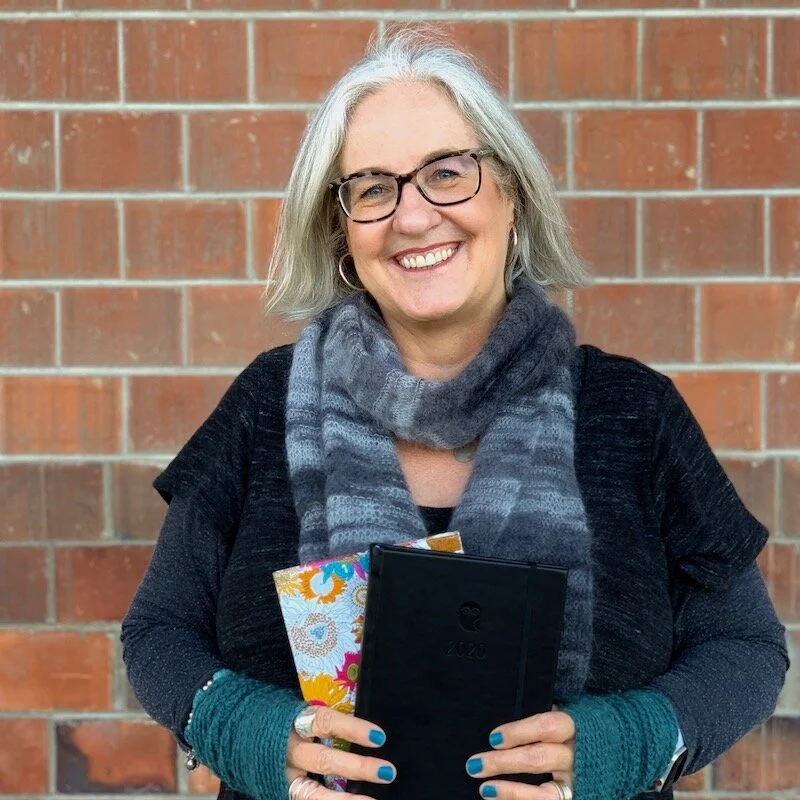
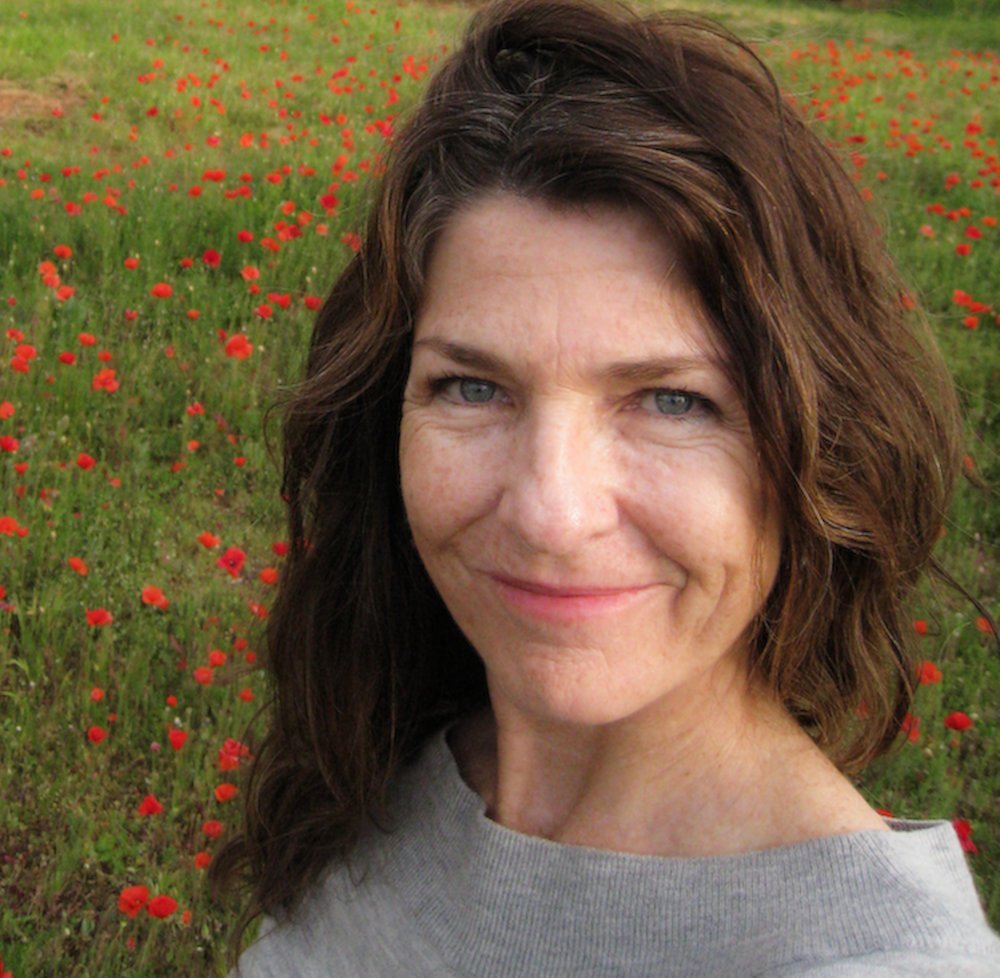
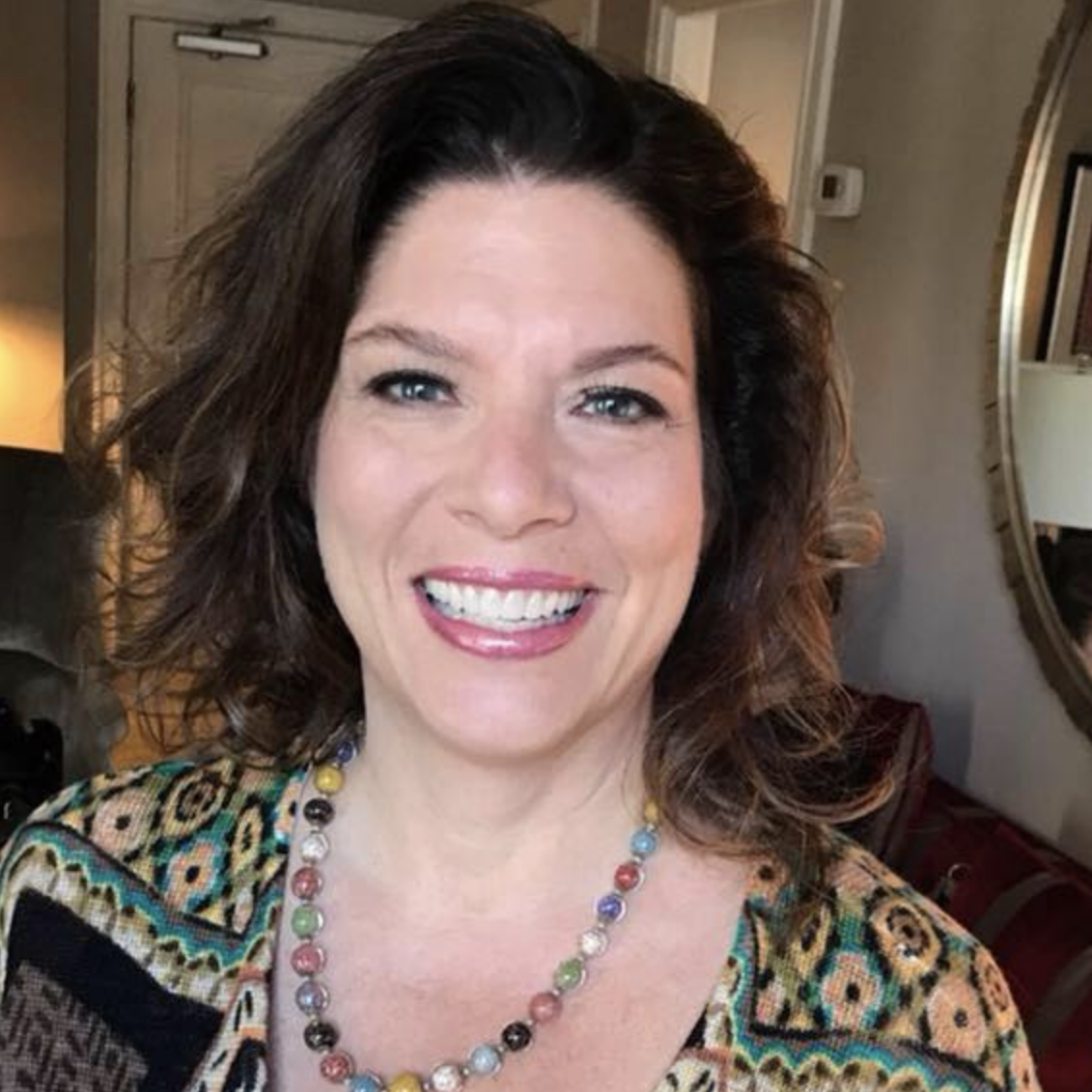
Hello. I'm Valerie, a musician, educator, neuroscience/psychology geek, mother, and creative explorer living in Portland, OR. My journey as a musician and educator began more than 30 years ago. It’s taken me from smoky little clubs to packed arenas, from performing in obscurity to making hit records in the 80s with a band called Nu Shooz.
Now, I’m on a mission to help vocalists create a sustainable life in music. My podcast for and about singers, Living A Vocal Life, launched October 1st.
You might be interested in a piece I wrote for my blog recently called Dare To Be Clear: Learn How To Respond To Requests. It’s about the flip-side of asking — five ways you can respond to requests with clarity and kindness.
Asking for Impossible Things
Read more awesome essays