Day 10: Patricia Houghton Clarke
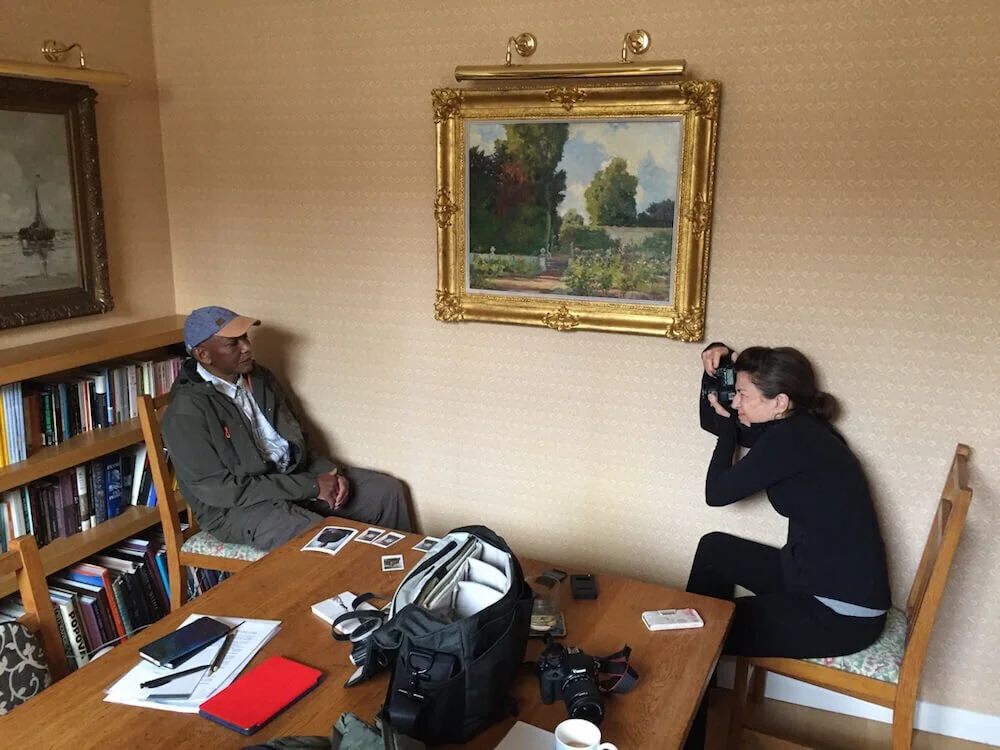
An Artist Residency in 2011 provided me with the opportunity to live in a tiny southern Italian community where the residents understand what it means to be a stranger in a strange land. Historically migrants themselves, the villagers’ acceptance of “other” comes from a place deep within themselves, their families, and their own migratory history. The ripple effects of that initial inquiry have been quiet, deep and profound.
The Impossible Question that I passionately wanted to confront was:
How can we illustrate, through photography and community interaction, the stories of immigrant arrivals and the people who are gracefully, and with compassion, welcoming new neighbors into the fabric of their lives?
As it turned out, my foray back to Martignano was the perfect place and time to ask the question. The answer I found in there was, literally: “We know what it’s like to carry a suitcase.”
As we move into more and more challenging times with worldwide migration at the forefront, we need to focus time and attention on merging cultures and how to create and sustain humane communities for the future.
To understand that “other” is “us” helps us embrace the similarities that exist between us rather than focus on our differences.
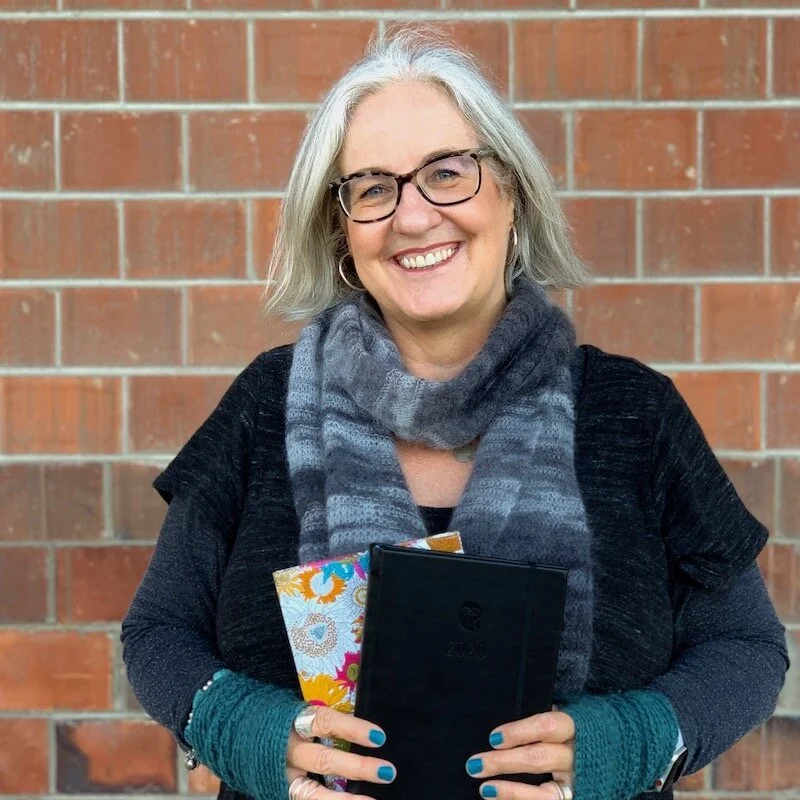
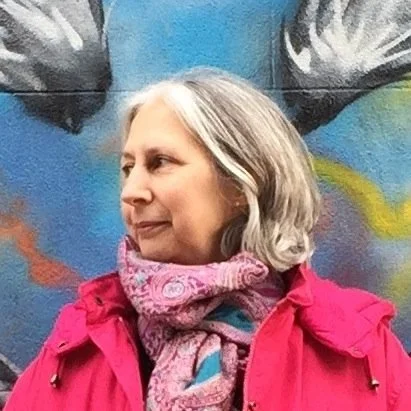
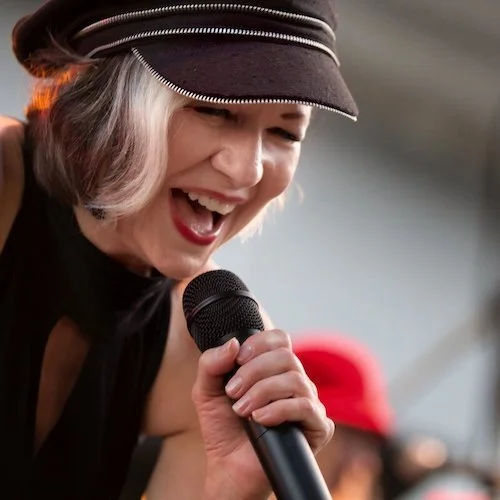
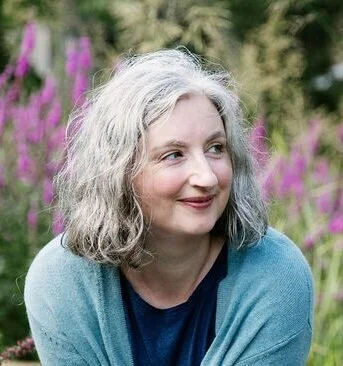
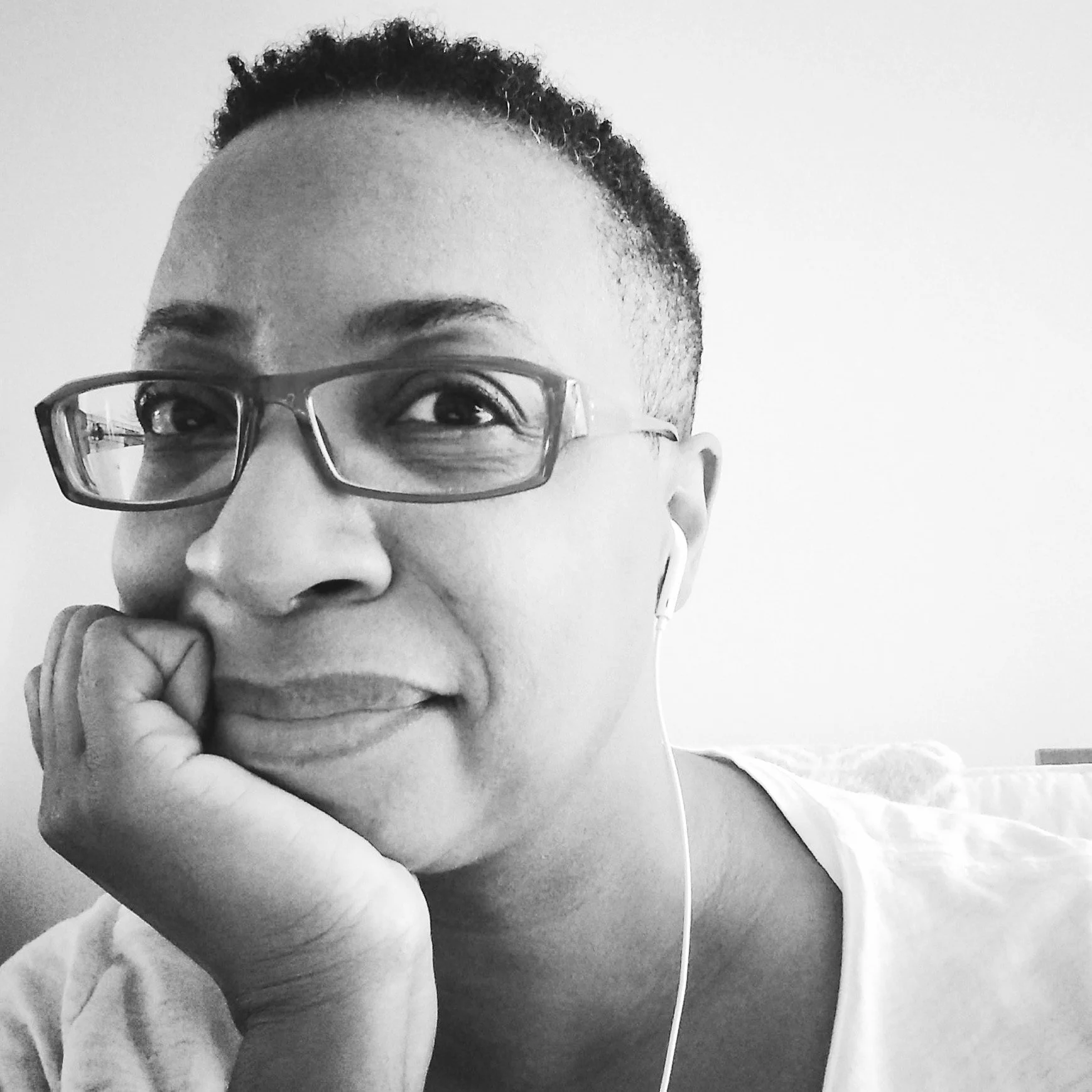
The portraits in the project offer a window to ourselves and those around us; giving us an opportunity to confront ourselves, examine our biases and change our perceptions for the betterment of the communities in which we live. Communities worldwide are struggling with issues of immigration, both legal and illegal.
Given the economic, political, and environmental stresses the entire planet is experiencing, it is the perfect time to demonstrate that harmony and social justice within disparate communities is vital and attainable.
It felt like an impossible mission in 2016 when I returned to Italy to ask my friends there how they were coping with the literal sea of refugees hitting their shores, cities and villages.
As a small, depopulating web of communities faced with their own economic hardships, I was concerned about how the influx was affecting them culturally, socially and economically, and how refugees and immigrants were faring in such strange lands. That impossible question has blossomed over time into answers that I could never have imagined.
It has spawned an international-reaching portraiture project involving community groups and individuals who are also looking to create answers to this vital question of our time: How do we create compassionate, welcoming communities and prepare for the movement and integration of millions of people?
Since the beginning, armed with that simple question, I have been amazed and gratified by a deep desire held by so many to “do” something.
I have seen the simple concept of a respectful photographic portrait inspire poetry contests, at-risk teen photography workshops, “story-cloth” workshops, sing-alongs, fundraising events, Art in Public Places projects, and outdoor exhibitions supported by volunteers around the globe.
Over the past three years I have expanded the scope of subjects from Italy, to London, and this year to Southern California. I have photographed “native-born” residents and advocates along with recent arrivals whose countries of origin include Cameroon, Canada, Egypt, England, Ethiopia, Italy, Nigeria, Pakistan, Sudan, Mexico and Wales.
I am currently making plans to do the “impossible” next series of images, hopefully spending much of 2020 in a tiny depopulating conservative agricultural town in Kansas. Initially as an entirely self-funded project, we are now grateful to the kindness and generosity of dozens of individual donors and foundations that facilitate our ongoing work.
Other communities that have invited the project are now being researched, and include: Mexico City, MX; Berlin, DE; Copenhagen, DK, Porto, PO; and Griffith, AU.
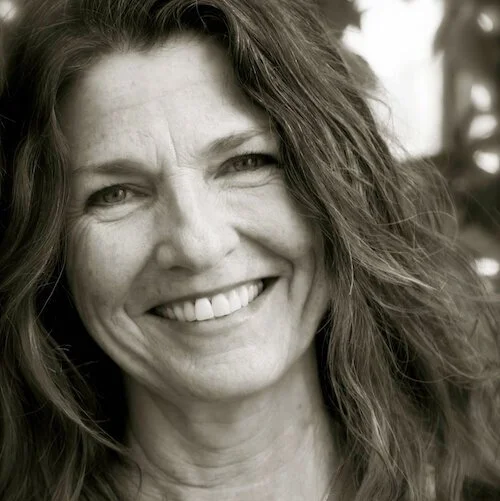
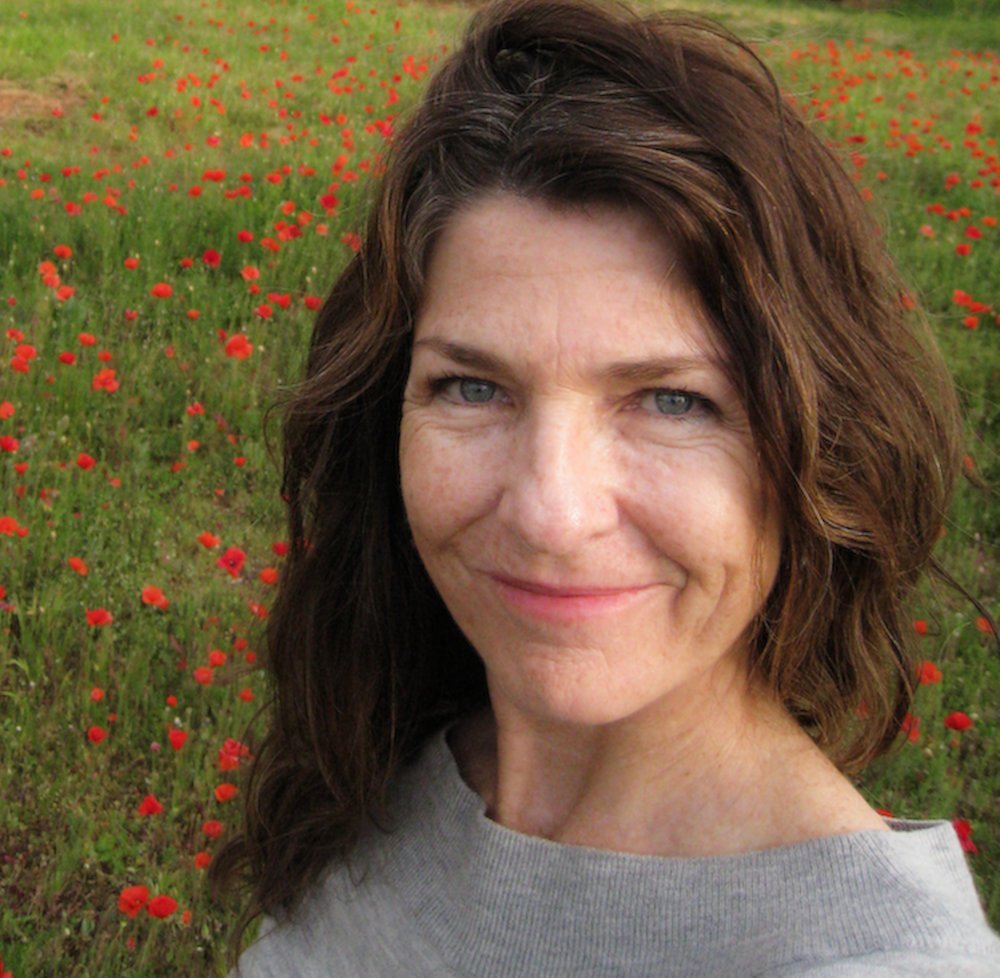
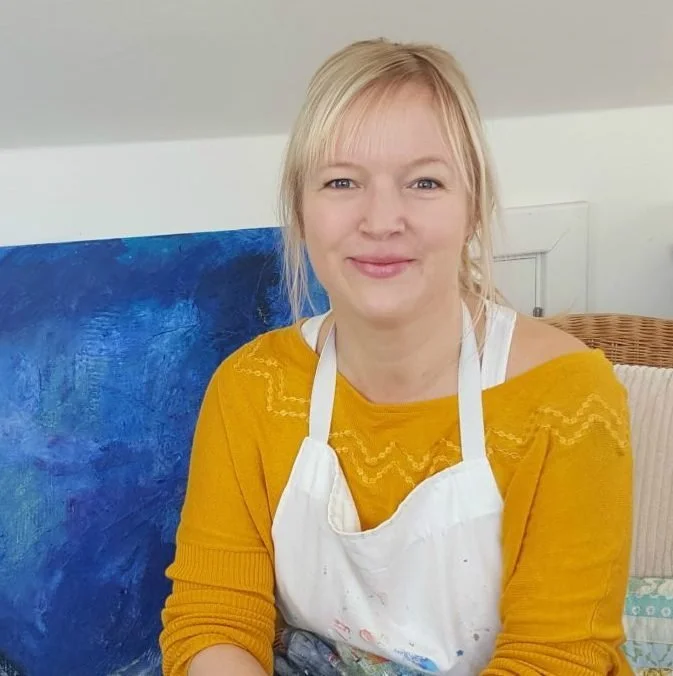
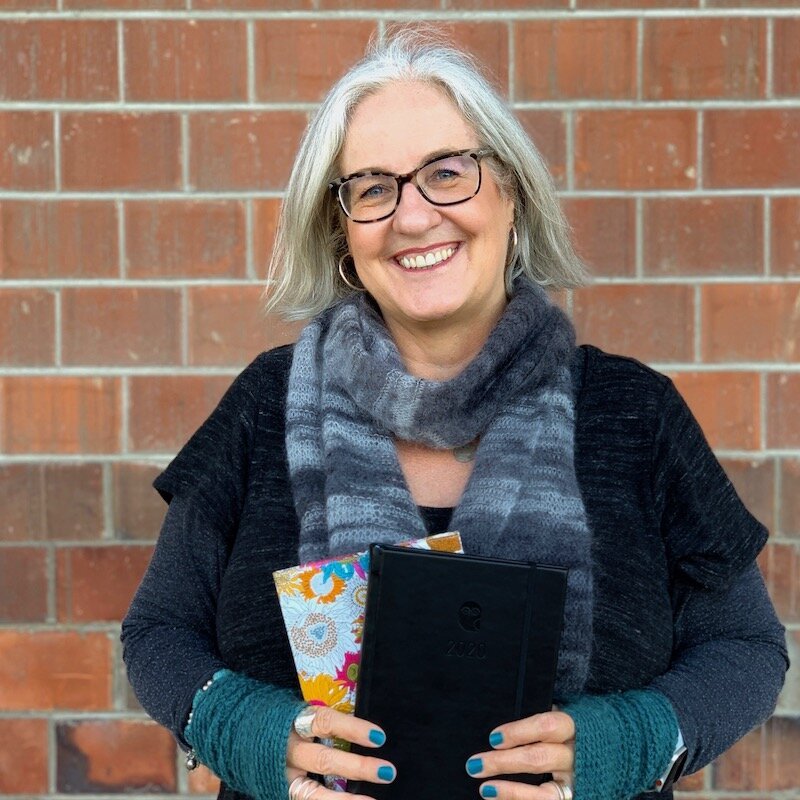
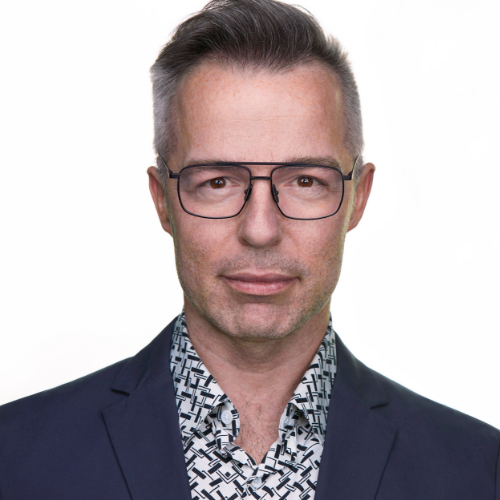
A self-taught photographer trained in painting and drawing, Patricia is particularly interested in culture, history and human nature. As the Co-Founder of an award-winning affordable housing nonprofit and volunteer with refugee support organizations, her work has been an exploration of humanity, both near and far. Patricia’s award-winning photography has been featured in exhibitions and publications around the United States and Europe. A collection of her imagery is included in the Barack Obama Presidential Library collection. She speaks English, Spanish and Italian.
Asking for Impossible Things
Read more awesome essays