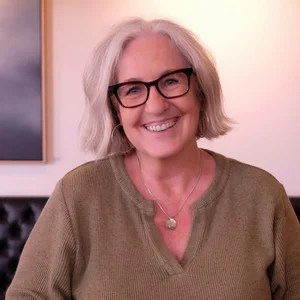
I’ve known Frances for a couple of years, we tend to hang out in the same Squarespace circles and groups. What has always struck me is how helpful and collaborative she is, her advice is spot on and she clearly knows what she is doing. Her business journey is fascinating and I loved learning more about her interesting background. And her top tip #1? That’s one of the best tips ever, not just for new designers but any solo business owner. I’m still practicing this myself! Thanks for a great interview, Frances!
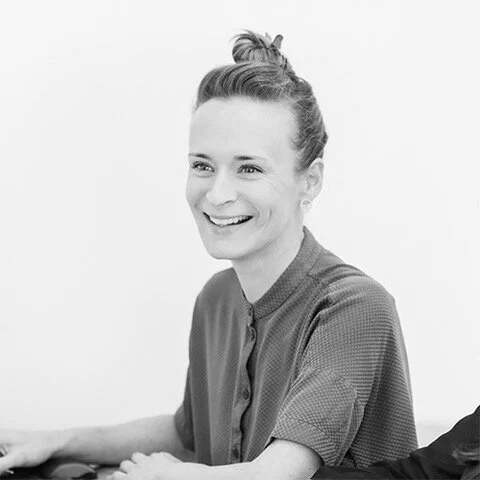
I’m a multidisciplinary designer (skilled in both digital and traditional mediums), that’s been developing brands and creating websites since the last century. I’ve worked with both big and boutique companies (as well as run a couple of my own).
I offer various services to help experts get their online presence up to scratch, including bespoke branding and website design alongside website training - so that individuals may learn how to create beautiful and easy to update websites themselves.
1) What is your professional background and how did you get into Squarespace web design?
I’ve been designing websites for over twenty years. I was first exposed to web design when I did a work experience placement in New York in the 90s. That placement was one of several I undertook during an industry year out in the middle of a graphic design degree at LCC (LCC was originally called LCP when I went there... so London College of Printing rather than the London College of Communications which it is now).
During the same degree, I also did a placement in the holidays at a website design company in London and that same company gave me a job when I finished my degree.
When the dot.com crash imploded the young web design industry in 2001, design companies went bust and I lost my job alongside many other designers. Design jobs were suddenly few and far between, yet businesses still needed websites. The answer was impossible to escape, I needed to start my own company in order to get paid because no-one was hiring! So alongside a handful of others who’d all been made redundant, this is what we did.
Platforms like Squarespace weren’t around then and you needed a whole team of disciplines to produce a good website. So my early design years were spent collaborating with Web Developers and Information Architects (what has now developed into the field of UX/UI). Back then I found myself having to wear a lot of different hats in order for the business to function. So project managing, pitching, accounting, etc. all became part of my working life very quickly and I had a very steep learning curve due to necessity during those years.
Our small team was acquired by a far larger agency some five years later. I left that agency when I had my first child and although I could have, I never went back. For many reasons, including the commuting, politics and hours, I knew I didn’t want to return to working for a large agency.
Having previously been a front end designer and had designs built from scratch by experienced web developers, I really didn’t know whether it would be possible for me to design and build a whole website myself (sounds crazy now!). However I could envision a future where I could theoretically produce websites for clients directly myself, so knew it was worth a try. So whilst my son was a baby I started experimenting with Wordpress and took a mini CSS course. I thought, I’ve learned before, I can learn again, but I’m not joking when I say I had some head-banging moments. I found it SO frustrating. I think I found it particularly frustrating because I had the knowledge of what could be achieved, but not the technical skills to build it. I was constantly having to make compromises. It was a relief when I finally switched to Squarespace and found I could get a better quality aesthetic without as much work!
Squarespace then fit the bill for a platform that was user-friendly and low maintenance for the clients that came onto my path when I first started working again after having children.
2) What was your safety net (e.g. a partner, another job, savings etc.) when you first started out and how did that help you?
It was a joint decision between my partner and myself that I wouldn’t go back to being an employee after having our son. He knew my background of previously having run a business so didn’t question that when I was ready I would be able to start something up again. We had savings and he was working, so that was my safety net.
Although he didn’t question it, I certainly did! I was really concerned about how I was going to do it - I was worried as initially I thought I would have to hire a web developer to work with me full time. BUT, as luck would have it, during my maternity leave - right at the time I needed them - the platforms to build your own website without needing to know how to code, were up and coming and improving monthly.
My safety net helped me to learn at my own pace around caring for small children. Although I don’t know any different, I’m sure it helped take an enormous amount of stress and pressure out of the situation. The only pressure I had during that first year was the pressure I put on myself.
3) How many websites did you design during your first year and how did your clients find you?
In my first year of working for myself, I was only working a few hours here and there due to having a toddler, so I only managed two websites! I found my early clients at the school gates, through friends mentioning me to them.
4) Do you have a niche market, or a speciality, or are you more of a generalist?
I do niche, although I will say that I would break out of my niche if a really interesting project came my way!
Currently I specialize in getting service-based experts positioned well online. So my market is still wide, but I’m clear in that I don’t take on e-commerce or build online courses. I work closely with my clients to understand their business, market, and objectives to design a brand and online presence that achieves their strategic goals and gives them digital confidence.
5) What are your five top tips for starting your own business?
1. Walk away regularly!
Literally and figuratively. Put the mouse down! Leave your desk. Leave your home - harder during Covid - but absolutely vital for clear thinking. Business problems, design ideas, bugs etc. aren’t solved best by toiling at your desk for 10 hours a day.
2. Revisit your strategy regularly.
This helps you make intentional, worthwhile adjustments to your business rather than reactionary ones which can be costly. It’s SO easy to be blown off course, especially through social media influence. Going over your vision, goals, initiatives and processes at several points during the year helps keep you focused, energised and in control.
3. Share your designs with trusted individuals.
Working independently means that work can often go in front of clients without anyone else ever reviewing it. The discipline of seeking opinion from others will improve your work, stop you from becoming insular and keep you growing as a designer/business owner.
4. One key ally is worth more than 1000 followers.
Find and value people who will pass you work. This is crucial if you don’t want to fall foul of losing enormous amounts of time and energy on social media doing your own marketing. Are you starting a business to spend all your time on Instagram? Or to get interesting and challenging work that gives you a sense of purpose? Being recommended saves you hours of marketing, so identifying key people who align with your business and can pass you work is gold.
5. Quite simply, it takes time, go easy on yourself.